
A river with deep roots in commerce, industry and the history of Ohio is known internationally for one single thing: a fire upon it in 1969.
50 years later, still nothing has changed.
Although there are other rivers that have had fires on them and there have been multiple occasions in the river’s history where there were worse fires, it is only known for that single act.
After Moses Cleaveland surveyed the land that would become Cleveland and left the first round of settlers, they decided to create a town around the mouth of the Cuyahoga River called Euclid.
Even before Cleaveland came to survey, and ultimately found a new city, the local Native American populace used the river for fishing and as a water source.
It seems that the Cuyahoga has dictated life in Ohio to the earliest written history of the state. How could people let the river degrade so much?
The first recorded fire upon the river was in 1868. This, and the 12 following fires, resulted from the constant pollution from the many oil refineries and steel mills that were founded upon the river — one of the most notable being the Standard Oil Company.
Credited for bringing the center of the “oil world” to Cleveland, John D. Rockefeller and M.B. Clark were able to create one of the most profitable and environmentally damaging companies after they bought up all of the then-competition in Cleveland.
Most of the issues on the Cuyahoga River can be attributed to Standard Oil because most of the pollution in the river was, in fact, oil. At times, the river would have upwards of two inches of oil floating upon it.
Enlarge
Jack Petrovic/Plain Dealer
By 1867, a year before the first recorded Cuyahoga River fire, Standard Oil became known as the number one oil company in the world — in a time where most of the world’s oil came from the U.S.
It took until the 1960s for the city to attempt to clean up the Cuyahoga River. Much of this effort came from then-mayor Carl Stokes and his push for environmental change in the city of Cleveland.
Despite popular opinion, these efforts began before the fire of 1969, but this fire is one of the events that ignited the modern-day environmental movement and the Environmental Protection Agency (EPA). It has also helped define a city, sometimes known as the “mistake on the lake” and further cement Cleveland into the butt of many jokes.
However, most of the myths and misconceptions about the history of the Cuyahoga River and the City of Cleveland are simply not true.
Cleveland Metroparks historical interpreter Doug Kusak and Case Western Reserve law professor Jonathan Alder are some of the few who have devoted a portion of their lives to put an end to these myths and misconceptions.
"Yes, it gets frustrating -- especially things like, 'You were on the cover of Time magazine!' We weren't. 'Your lake caught fire!' It didn't. 'Your river burned!' It did not -- we had a fire on our river, and you may have too." Doug Kusak
First of all, rivers cannot catch on fire. This is something that is disproved in elementary-level science classes.
“We did not have a burning river, we had a fire on our river,” said Kusak.
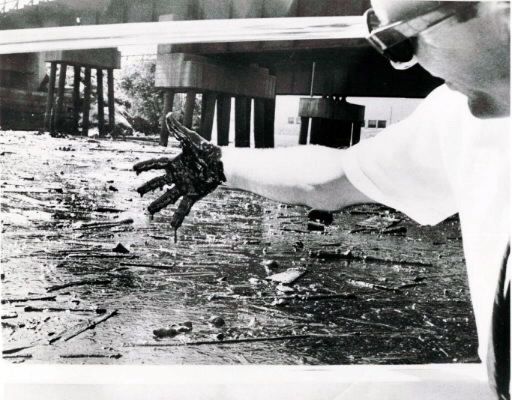
Many people also believe that the Cuyahoga also was the only river with a fire on it at one point. Adler says that he has found “accounts of fires in Columbus, in Detroit, in Philadelphia, in Baltimore Harbor.”
Through my own research, I have also discovered fires in places like Detroit, Philadelphia, and Buffalo.
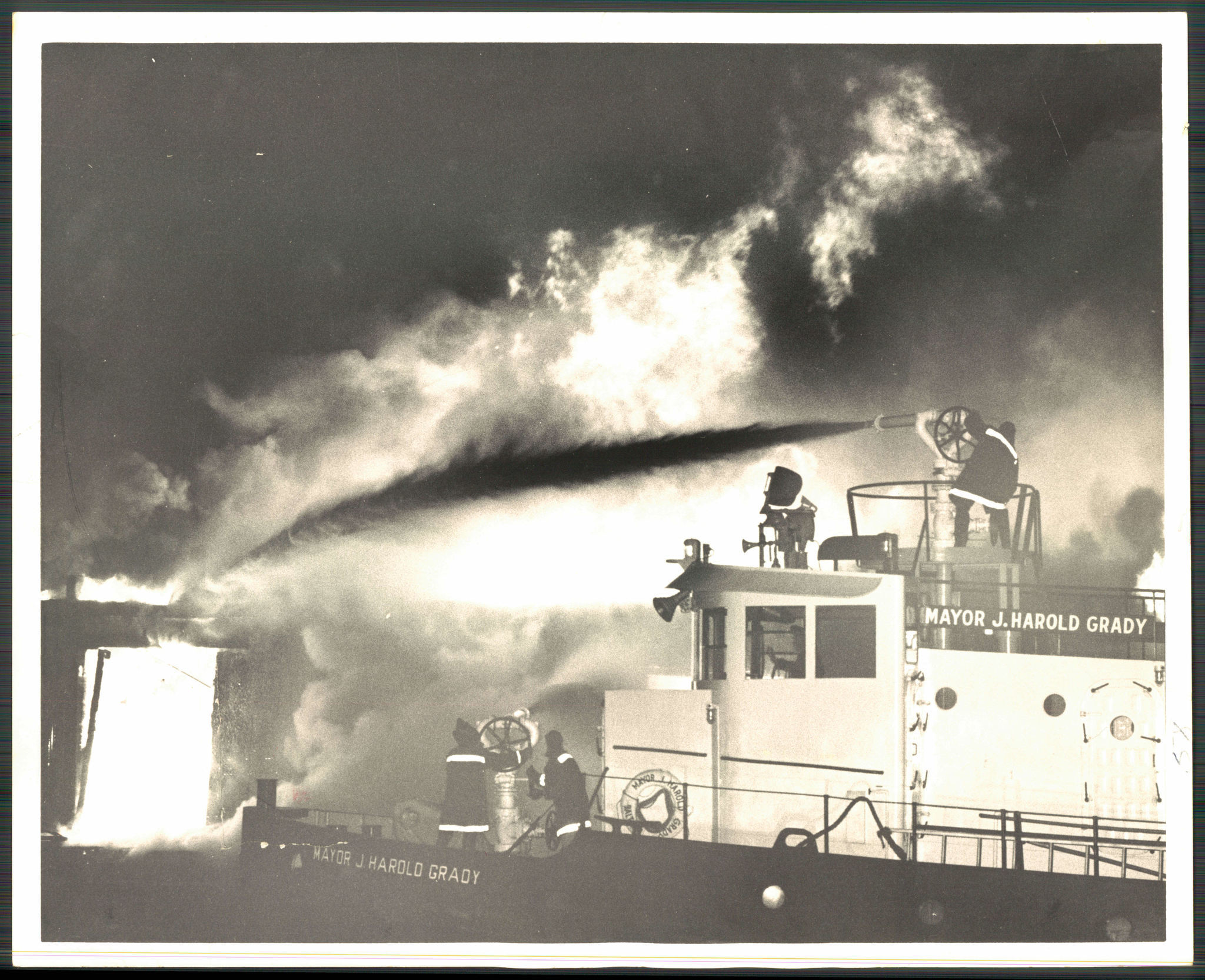
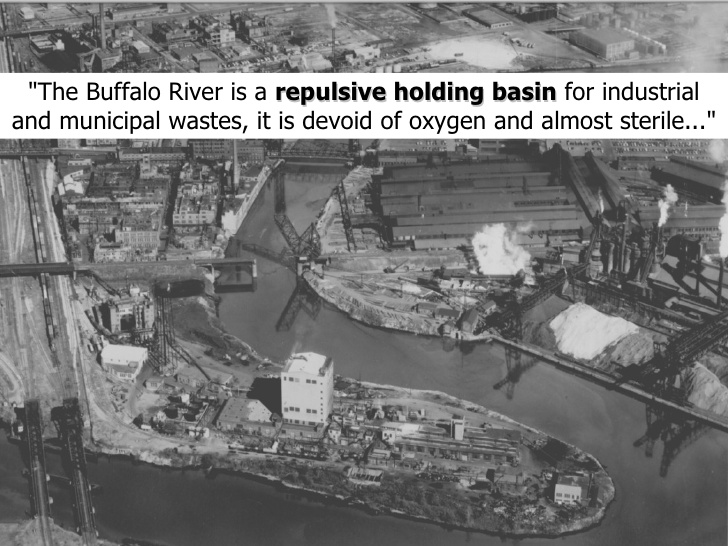
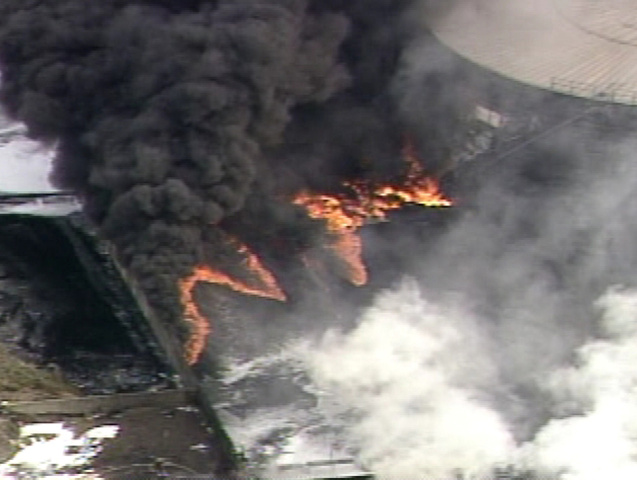
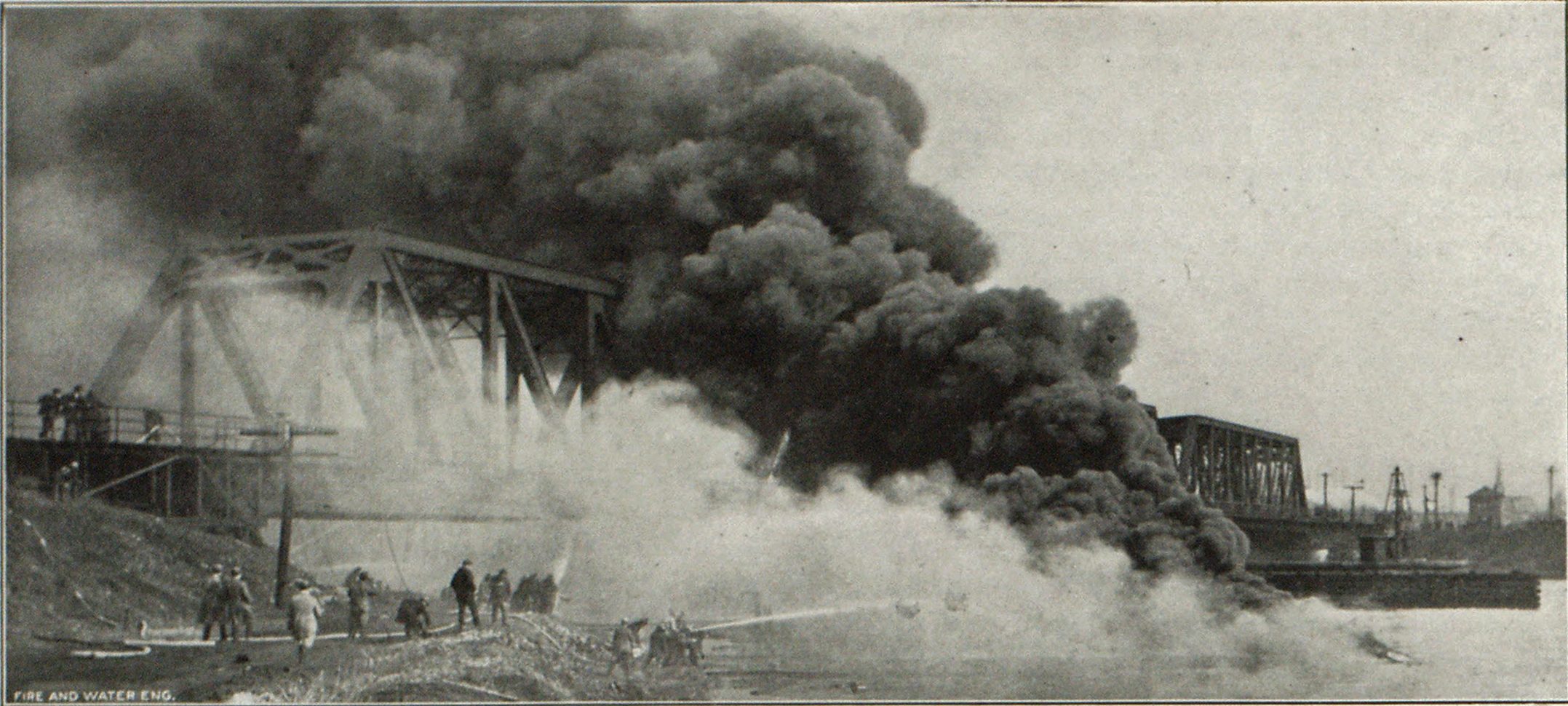
Other Rivers that had fires on them.
The Buffalo River was even once regarded as “a repulsive holding basin for industrial and municipal wastes,” by the Federal Water Pollution Control Administration.
Even with federal denouncement of other rivers, like the aforementioned Buffalo River, these “wives tales” are still the namesake of a river, multiple cities and the northeastern part of a state that supposedly decides elections.
One would think that with the popularity and renown of this fire that every newspaper and news station within a 100-mile radius would have come out to cover an event like the 1969 fire.
The total amount of reporters and photographers that covered this fire initially: zero.
“As best we can tell, no one arrived on June 22, 1969, to actually catch a picture of the fire,” Adler said. “The picture that ran in the local papers is a picture of the clean-up operation.”
On top of that, the 1969 fire lasted 30 minutes and wasn’t near the worst or most destructive fire in the river’s history. The river fire of 1952 caused $1.5 million dollars of damage and the fire of 1912 killed five people.
Kusak puts the total number of fires at 12 total, although others contest that there were 13.
Even with its role in the environmental movement, the 1969 fire was not the only reason the Clean Water Act of 1972 was passed.
“There were a handful of events,” Adler said. “The ’69 fire, the Santa Barbra oil spill and so on.”
After the Clean Water Act of 1972 was passed and the river was cleaned up, the issue of oil pollution was not completely solved.
Standard Oil was ordered to break up into smaller corporations after the Supreme Court ruled that the company violated the Sherman Anti-Trust Act and was considered a monopoly.
Some of the companies that it dissolved into are gone, but some are still around and some of the most recognizable oil and petroleum companies in the world.
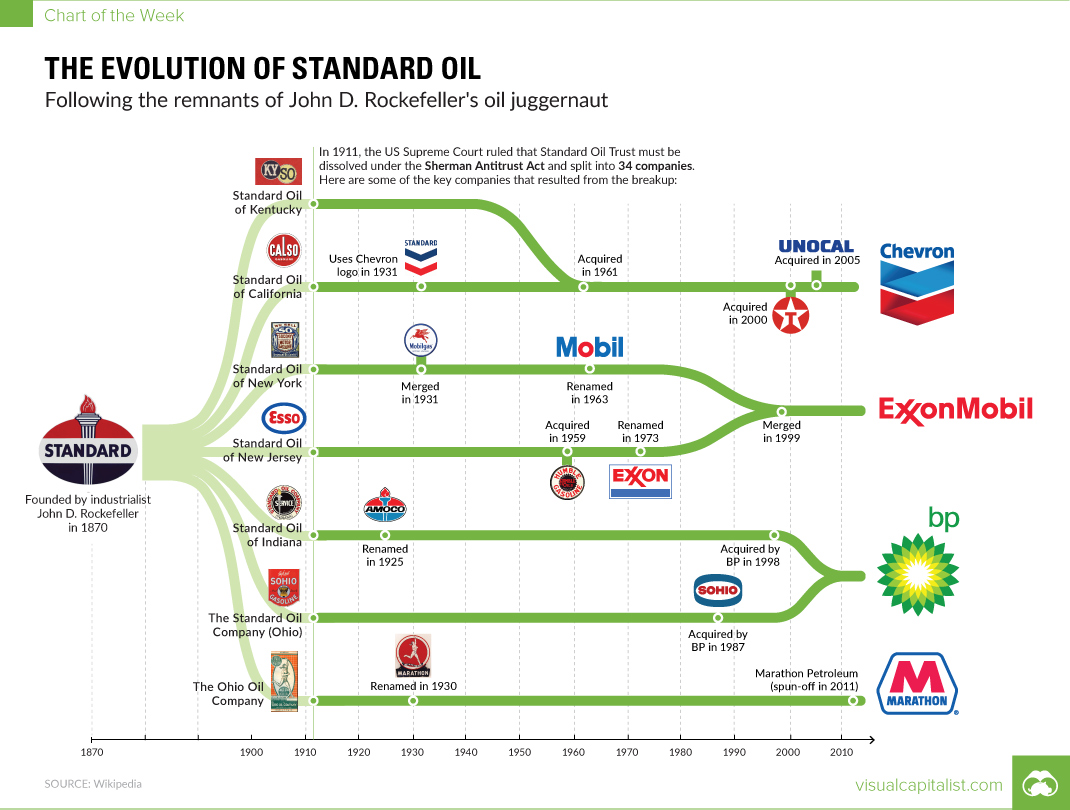
The companies that are still around today are BP, Chevron, ExxonMobil and Marathon. All of these corporations have had a similar environmental impact as their grandfather company.
Just last year, Chevron was ordered to pay $9.5 billion dollars in damages to the country of Ecuador for environmental damages.
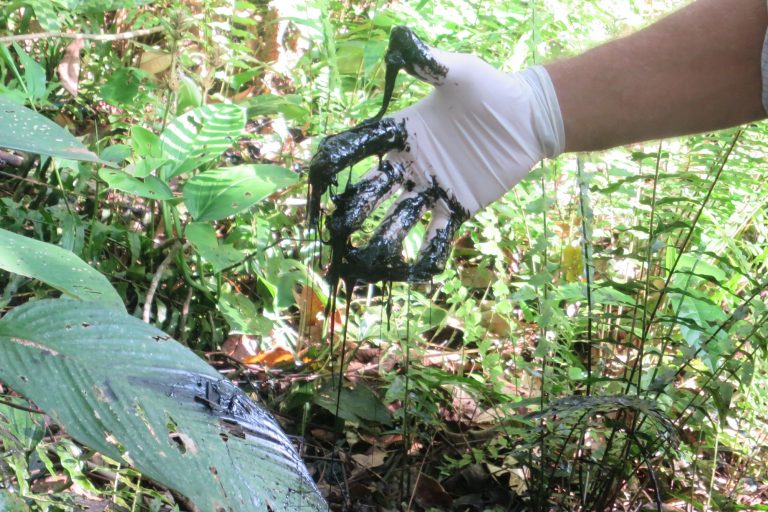
Thanks to violationtracker.com, I was able to find out that Marathon has had $1.325 billion dollars of environmental damage since 2000.
BP, or British Petroleum, is also known for their horrific oil spill and subsequent handling of the cleaning of said oil spill in 2010. it is regarded as the worst oil spill in history, leaking 3.19 million barrels of oil into the Gulf of Mexico.
Last but not least, Exxon-Mobil settled a $9 billion dollar case that was brought on by the city of New Jersey after the oil giant contaminated 1,500 acres of wetlands, marshes, meadows and waters in the northern part of the city.
When put into this scope, is it the city of Cleveland and the Cuyahoga River who should bare people’s ill will or should it be those who are responsible for giving a river the ability to catch fire?